What Is A Batson Challenge? The Karmelo Anthony Trial
What Is A Batson Challenge? The Legal Tool That Failed Karmelo Anthony

- Batson challenge alleges juror exclusion due to race, but judge accepted prosecutors' race-neutral reasons
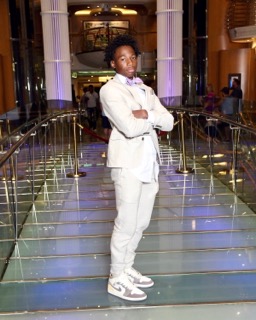
The trial of Karmelo Anthony ended on June 9 when a Collin County jury found the 19-year-old guilty of fatally stabbing 17-year-old Austin Metcalf in 2025. The jury sentenced Anthony to 35 years in prison. Before jurors decided on the punishment, Anthony’s lawyers argued that he acted under “sudden passion,” a legal claim that can reduce a sentence if a person acted in the heat of the moment. Sadly, the jury rejected that argument and imposed the 35-year sentence. Now people are wondering: if a Batson challenge had been in place, could there have been a different outcome for the teenager?
Ahead of Tuesday’s verdict, experts raised alarms about the racial makeup of the jury. Although more than 500 potential jurors were considered, the final 12-person jury did not include any Black jurors. During the selection process, prosecutors used peremptory strikes to remove the last three remaining Black prospective jurors despite Anthony’s attorneys calling for a Batson Challenge, according to Courthouse News. But what is this legal strategy and how does it work?
What is a Batson Challenge?
A Batson challenge is a legal tool used when one side believes the other is excluding jurors because of race or another protected characteristic, according to the Appeals Law Group. The rule comes from the 1986 Supreme Court case Batson v. Kentucky, which prohibits attorneys from removing jurors solely because of their race. When a Batson challenge is raised, the judge must decide whether the jurors were removed for legitimate, race-neutral reasons or whether discrimination played a role.
In Anthony’s case, prosecutors argued that the three prospective jurors, who were “qualified” Black women, according to legal analyst A.B. Burns-Tucker, were removed because they were educators of school-aged children, not because they were Black. Judge Angela Tucker accepted that explanation and denied the Batson challenge. As a result, the trial moved forward with the jury that ultimately convicted Anthony.
A successful Batson Challenge may have led to a different outcome for Karmelo Anthony.
A successful Batson challenge could have given Anthony a different verdict or a lighter sentence, but now we’ll never know. It could have changed the makeup of the jury and introduced different perspectives into the deliberations. If the judge had found that the strikes were discriminatory, the excluded jurors could have been seated, or the court could have taken other steps to assemble a different jury panel. Because jurors can interpret evidence, witness testimony, claims of self-defense, and appropriate punishment differently, a more diverse jury may have approached the case from a broader range of life experiences.
Anthony, who argued he acted in self-defense after allegedly being pushed by Metcalf during an argument last year, did not testify at trial. During the sentencing phase, the only witness called by the defense was his mother, who told jurors her son was remorseful and asked for mercy. Supporters of Anthony’s Batson challenge contend that a jury that included Black jurors may have brought additional perspectives to both the deliberations and the sentencing decision, potentially influencing how the case was viewed.
Karmelo Anthony’s fight for justice is far from done. Attorneys for the teen are expected to file an appeal, challenging aspects of the trial, the sentence and the final conviction, according to WFAA.
SEE MORE:
Karmelo Anthony Murder Trial: Teen Found Guilty For 2025 Stabbing
Karmelo Anthony Can’t Claim Self-Defense But Kyle Rittenhouse Can?
What Is A Batson Challenge? The Legal Tool That Failed Karmelo Anthony was originally published on newsone.com