Policing The Poor Won’t Make Alabama, Any Other State Healthier
Policing The Poor Won’t Make Alabama Or Any Other State Healthier

- Restricting SNAP benefits does not solve hunger or improve health; it polices low-income families under the guise of 'public health'.
- Alabama has high rates of chronic illness, but lacks investment in solutions like Medicaid expansion and strengthening local food systems.
- Policies targeting low-income and Black communities reflect a history of using control over resources to reinforce inequality.
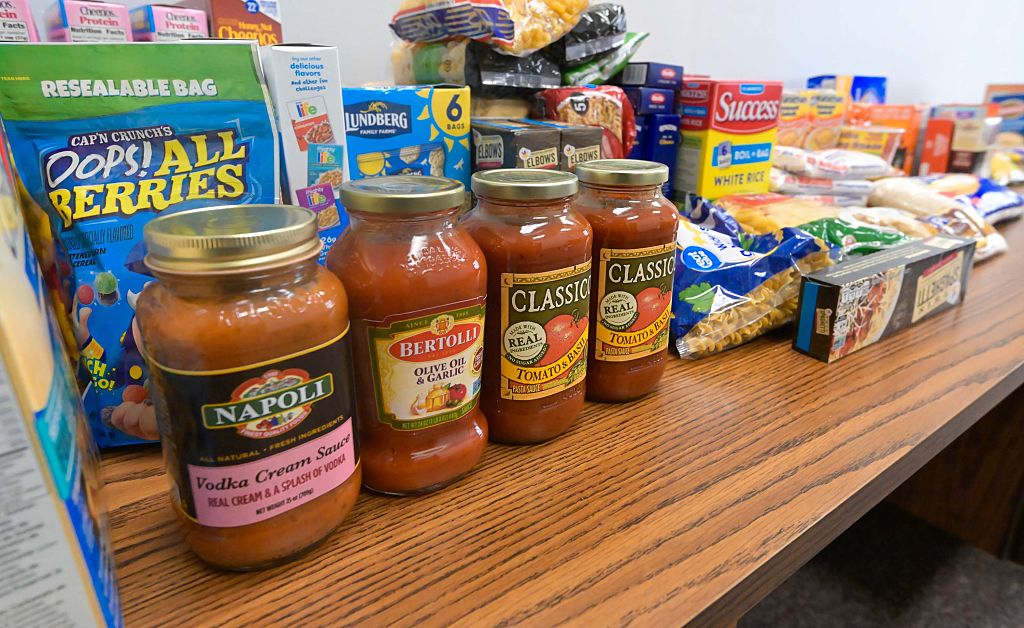
Alabama’s decision to restrict what families can purchase with SNAP benefits—specifically targeting candy and soda—is being framed as a step toward better health. It is not. It is a step toward greater control. And for many, it carries a familiar undertone, one rooted in a long history of regulating the lives of low-income people, particularly Black communities in the South, under the guise of “improvement.”
At its core, this policy does something very specific. It doesn’t solve hunger. It doesn’t improve health outcomes in any meaningful, structural way. And it certainly doesn’t address the real drivers of poverty in Alabama. Instead, it polices the choices of low-income families—under the guise of “public health”—while ignoring the conditions that shape those choices in the first place. This is what happens when policy is rooted in control rather than care. Because policies like this are not created in a vacuum. They sit within a broader pattern, one where poverty is managed through restriction rather than addressed through investment. A pattern that echoes earlier systems where control over resources was used to shape behavior, limit autonomy, and reinforce inequality.
Alabama continues to rank among the worst in the nation on key health indicators; high rates of diabetes, heart disease, and food insecurity. Entire communities live in food deserts, where access to fresh, affordable groceries is limited or nonexistent. Transportation gaps make it harder to reach full-service stores. And wages remain too low for many families to consistently afford healthier options, even when they are available. Yet instead of investing in solutions that would actually move the needle, like expanding Medicaid, strengthening local food systems, or increasing economic stability, we are presented with a policy that tells people what they can and cannot buy, with already limited resources. More than 300,000 Alabamians remain in the coverage gap, unable to access affordable health insurance. These are working people—child care providers, home health aides, retail workers—who are essential to our economy and communities, yet are left without consistent access to care.
There is a long and troubling history here. From slavery to Jim Crow to modern-day systems of surveillance and restriction, policies in this state have too often been designed not to support, but to control—especially when it comes to Black communities and low-income families. This latest move fits squarely within that legacy. It sends a message that the problem is not structural inequality, but individual behavior. And that framing is both inaccurate and harmful.
Since 2010, at least 10 rural hospitals have closed in Alabama. Currently, 19 of the state’s 52 rural hospitals are considered at risk of closure, with some assessments indicating the number may be higher—potentially exceeding half (27). Entire communities, disproportionately rural and disproportionately Black, are being left without access to emergency rooms, maternity care, or preventive services. In some counties, residents must travel miles just to receive basic care. If we were serious about health, we would be addressing the state’s refusal to expand Medicaid—leaving hundreds of thousands without coverage and placing further strain on an already fragile healthcare system. We would be investing in prevention, access, and affordability—not restriction. The truth is this: you cannot regulate your way out of inequity. You cannot ban your way to better health outcomes while ignoring the systems that produce poor health in the first place.
What Alabama families need is not more oversight of their grocery carts. They need access—to healthcare, to living wages, to affordable food, to stable child care, and to communities that are resourced, not neglected. If we are serious about health, this is where the conversation should begin.
In 2019, the American Public Health Association declared racism a public health crisis—recognizing what data has long shown: that systemic inequities, not individual choices alone, drive disparities in health outcomes. Alabama reflects this reality. Black Alabamians experience higher rates of chronic illness, higher maternal mortality rates, and greater barriers to care. These outcomes are not the result of isolated decisions, they are shaped by decades of policy choices, including where resources are invested and where they are withheld.
Which brings us back to this law. Because while leaders focus on limiting SNAP purchases, they continue to reject policies that would actually expand access to care and improve long-term health outcomes. That is not a health strategy. That is a deflection. It shifts responsibility onto individuals while ignoring the structural conditions that shape their choices in the first place. And it raises a deeper question: who do we trust to make decisions about their own lives? Because we do not see these kinds of restrictions applied universally. They are targeted. They are specific. And they disproportionately impact those already navigating the greatest barriers.
Alabama has an opportunity to take a different approach, one rooted in dignity, access, and investment. We can expand Medicaid. We can invest in rural health infrastructure. We can address food deserts by increasing access to full-service grocery stores and supporting local food systems. We can raise wages so families are not forced to make impossible choices. In short, we can treat health not as a matter of control—but as a matter of care. Because if the goal is truly a healthier Alabama, we will not get there by policing the poor. We will get there by ensuring that everyone—regardless of income, race, or zip code—has the resources they need to live well. Until policy reflects that reality, we will continue to mistake control for progress—and call it reform.
Lenice Emanuel is the executive director of the Alabama Institute for Social Justice.
SEE ALSO:
SNAP Suspension Puts Families, Children, Child Care At Risk
When The Government Starves Us: How SNAP Cuts Target Black Survival
Black Churches Can Help Communities Navigate New SNAP Requirements
Policing The Poor Won’t Make Alabama Or Any Other State Healthier was originally published on newsone.com