Ohio Cannabis Law Update 2026: 10 Major Changes You Should Know - Page 2

Ohio updated its marijuana laws. Here are the biggest changes impacting THC products, dispensaries, and consumers.
Share the post
Share this link via
Or copy link
- Intoxicating hemp products like delta-8 now only sold at licensed dispensaries, not retail stores.
- State caps total marijuana dispensaries at 400 to control market growth and enforcement.
- New oversight agency regulates licensing, compliance, and safety standards across the industry.
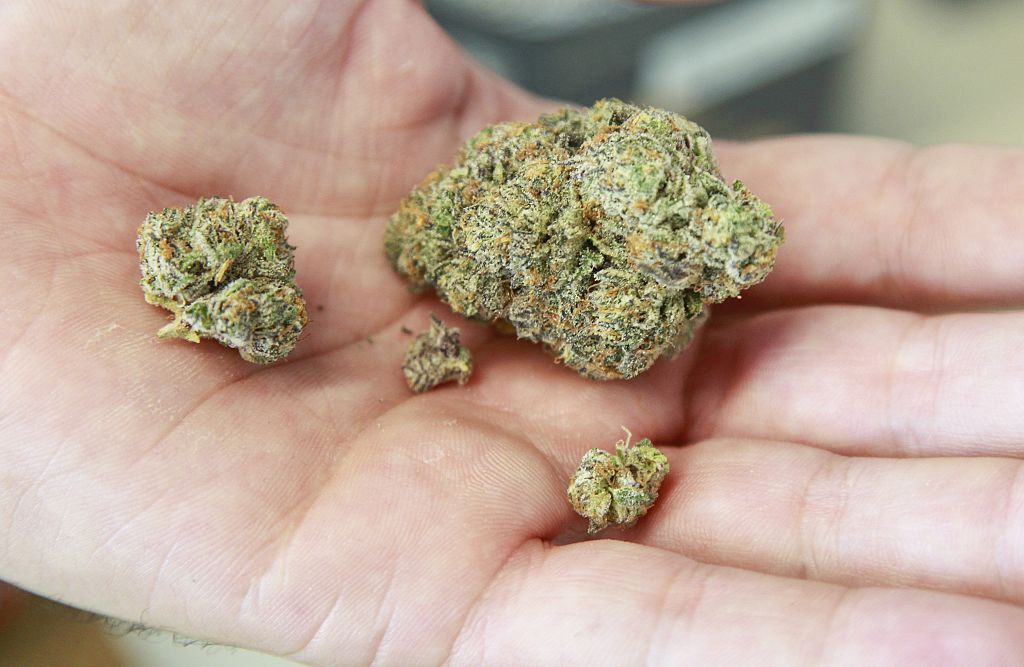
10 Key Changes in Ohio’s New Marijuana Laws
Ohio lawmakers approved Senate Bill 56 to overhaul the state’s marijuana laws, creating new rules for how residents buy and use cannabis. The update focuses heavily on regulating intoxicating hemp products, which lawmakers say previously existed in a legal gray area.
Under the new law, many THC products that once appeared in convenience stores and smoke shops will now move exclusively to licensed dispensaries. State officials say this shift gives regulators more control over potency, safety, and distribution while limiting access to unregulated products.
The law also places a statewide cap on dispensaries and reinforces restrictions on where they can operate, including required distances from schools, churches, and playgrounds. At the same time, public use of marijuana remains illegal, and new guidelines clarify how users must transport cannabis products.
Love The Buzz Cincy? Get more! Join the The Buzz Cincy Newsletter
We care about your data. See our privacy policy.
Lawmakers say the overhaul aims to close loopholes left behind after Ohio voters approved adult-use marijuana. The changes also reflect growing concerns about high-potency THC items and their availability outside the regulated system.
Here are the biggest changes you need to know.
1. Intoxicating hemp products face strict limits
The law bans intoxicating hemp products outside licensed dispensaries.
Lawmakers targeted products like delta-8 that previously sold in retail stores. Officials say these items lacked consistent regulation and safety oversight.
2. THC products move to dispensaries only
Retail stores can no longer sell certain THC products.
Only licensed dispensaries can sell products that produce a high. This change shifts sales away from gas stations and smoke shops.
3. The state caps dispensaries
Ohio limits marijuana dispensaries to 400 locations statewide.
Lawmakers say the cap helps control market growth and enforcement. The state will manage licenses through its cannabis regulatory system.
4. New oversight agency takes control
The Division of Cannabis Control now regulates adult-use marijuana.
The agency oversees licensing, compliance, and product safety standards. State officials say centralized oversight improves accountability across the industry.
5. Buffer zones restrict dispensary locations
Dispensaries must stay away from schools, playgrounds, and churches.
These buffer zones aim to limit exposure to children and families. Local communities may also influence where dispensaries can operate.
6. Public marijuana use remains restricted
The law bans marijuana use in public spaces.
Users cannot legally consume cannabis on streets, parks, or sidewalks. Officials say the rule aligns marijuana laws with existing smoking restrictions.
7. New rules target THC potency and products
Lawmakers added restrictions on THC levels in products.
The changes focus on limiting access to high-potency items. Officials say stronger products raised safety and health concerns.
8. Transporting marijuana now has stricter rules
Users must keep cannabis in original packaging or secure storage.
The law aims to prevent open use while driving. Officials compare the rule to open container laws for alcohol.
9. Out-of-state marijuana transport is illegal
The law bans bringing marijuana into Ohio from other states.
Even if purchased legally elsewhere, transport across state lines remains illegal. Federal law still classifies marijuana as an illegal substance.
10. Lawmakers aim to close hemp loopholes
Officials say the law targets unregulated THC products and protects consumers.
Lawmakers argue the previous system allowed widespread access without oversight. The overhaul aims to bring all intoxicating products under one system.
Meteor Fragments Could Be in Northeast Ohio. Here’s Where to Look
15 Things Clevelanders Still Do, No Matter What
Movies and TV Shows Filmed in Cleveland That Might Surprise You
Ohio Cannabis Law Update 2026: 10 Major Changes You Should Know - Page 2 was originally published on newstalkcleveland.com
