Black History Month: What Did Cincinnati Look Like 200 Years Ago?

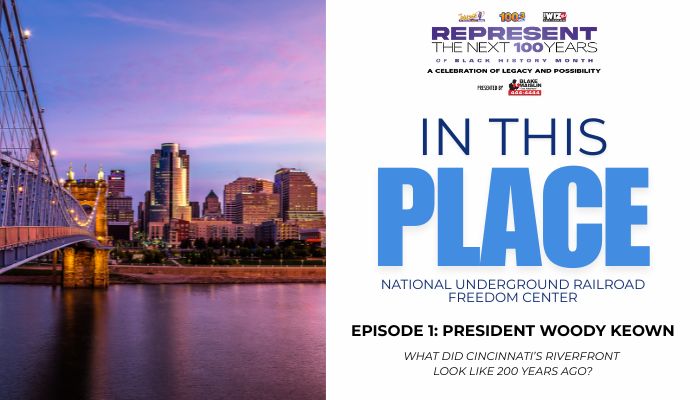
This Black History Month, Radio One Cincinnati is turning the spotlight inward: honoring the powerful stories housed right here at the National Underground Railroad Freedom Center.
As Urban One commemorates 100 Years of Black History under the theme “Legacy & Possibility,” we’re dedicating each week to uncovering untold Black stories rooted in Cincinnati.
Long before the skyline, stadiums, sold-out concerts, and buzzing nightlife, this city represented something far more: freedom.
Cincinnati sits along one of the most critical passages of the Underground Railroad. Just miles across the river stood slave-holding territory. On our side stood hope.
For many escaping the brutality of slavery, the Queen City became a safe haven: a place of transition, resistance, and possibility.
In less than 250 years, Cincinnati has evolved from a frontline abolitionist community to one of the fastest-growing cities in the country. But the foundation of this place is deeper than development.
“What happens in this place matters.”
Watch our full conversation with Freedom Center President Woody Keown as we explore the exhibit “In This Place,” located just inside the museum’s front entrance.