Toxic Gas Leak in Whitewater Township, Evacuation Order in Place

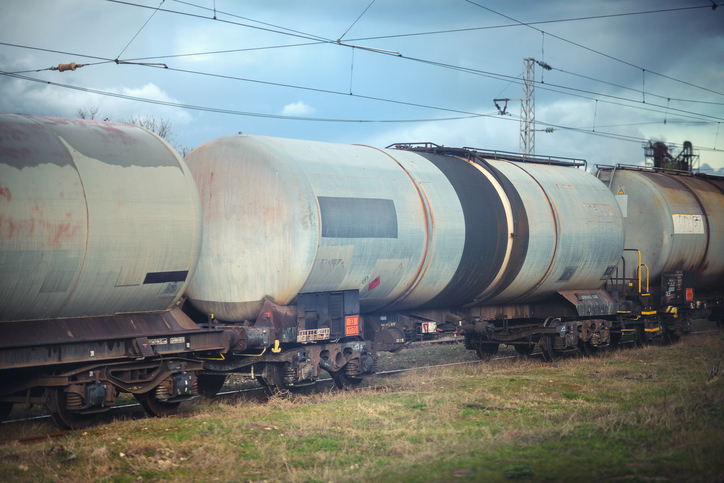
Source: dani3315 / Getty
Last updated: Wednesday, September 25th 1:11 p.m.
A toxic chemical leak from a railcar near the Great Miami River forced the evacuation of over 200 homes in Whitewater Township on Tuesday.
By night, the leak had stopped, according to Brian Stussie of Genesee & Wyoming Railroad. Firefighters remain on the scene to monitor the situation. Little Miami Joint Fire & Rescue Chief Mike Siefke confirmed that crews are still working to cool the railcar and monitor its temperature.
The leak was first reported at 12:47 p.m. Tuesday when multiple 911 calls came in about the smell of styrene gas near State Route 128 and U.S. 50. While no injuries or illnesses have been reported, authorities remain cautious due to the flammable and potentially harmful nature of styrene, which is used in making plastics and rubber. This caused officials to order an evacuation up to a half-mile around the area.
Stussie reported that crews successfully separated the leaking railcar from the rest of the train, which included other cars carrying the same chemical. The cause of the leak remains unclear, and investigations are expected to follow.
“We don’t know why the car stopped leaking,” Siefke said, but efforts to mitigate the threat to public safety continue.
Refuge and Closures
The Whitewater Township Community Center is open to shelter displaced residents. Three Rivers Local Schools remain closed until further notice and other school activities are being determined by 1:00 p.m. Emergency teams continue to monitor air quality while keeping the railcar cool to prevent further issues.
The following roads are closed until further notice:
– U.S. 50 from Lawrenceburg Road to State Street
– Ohio 128 at Cilley Road
– Kilby Road at Suspension Bridge
– Cooper Avenue at U.S. 50 in Cleves
RELATED: FDA Seize $268K Worth of Fake Weight Loss Drugs in Cincinnati
According to the National Institute of Environmental Health Sciences, styrene exposure can lead to health issues, particularly affecting the nervous system. Symptoms include changes in vision, tiredness, slowed reaction time, and balance problems.
It remains unclear when the evacuation order will be lifted.